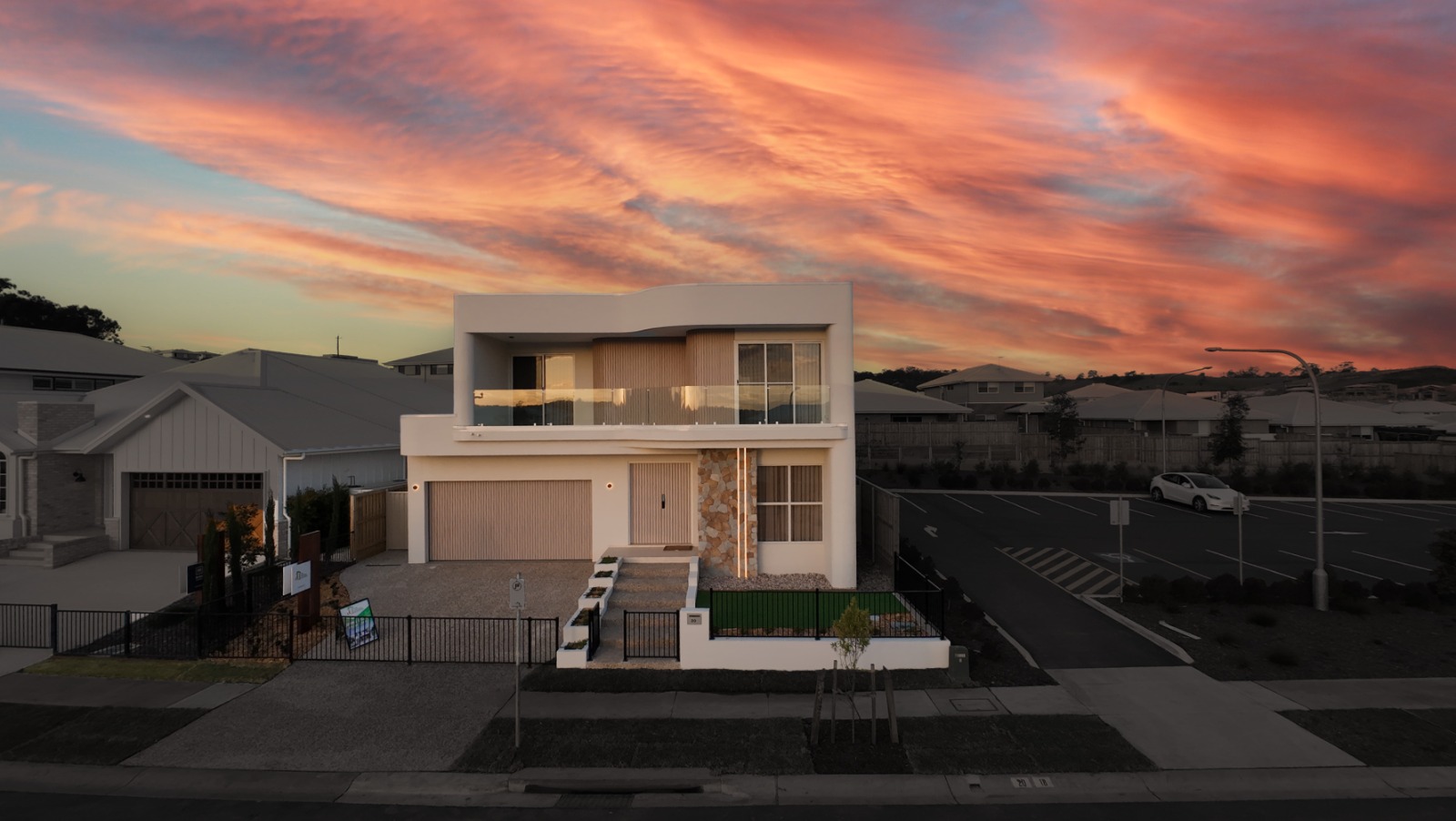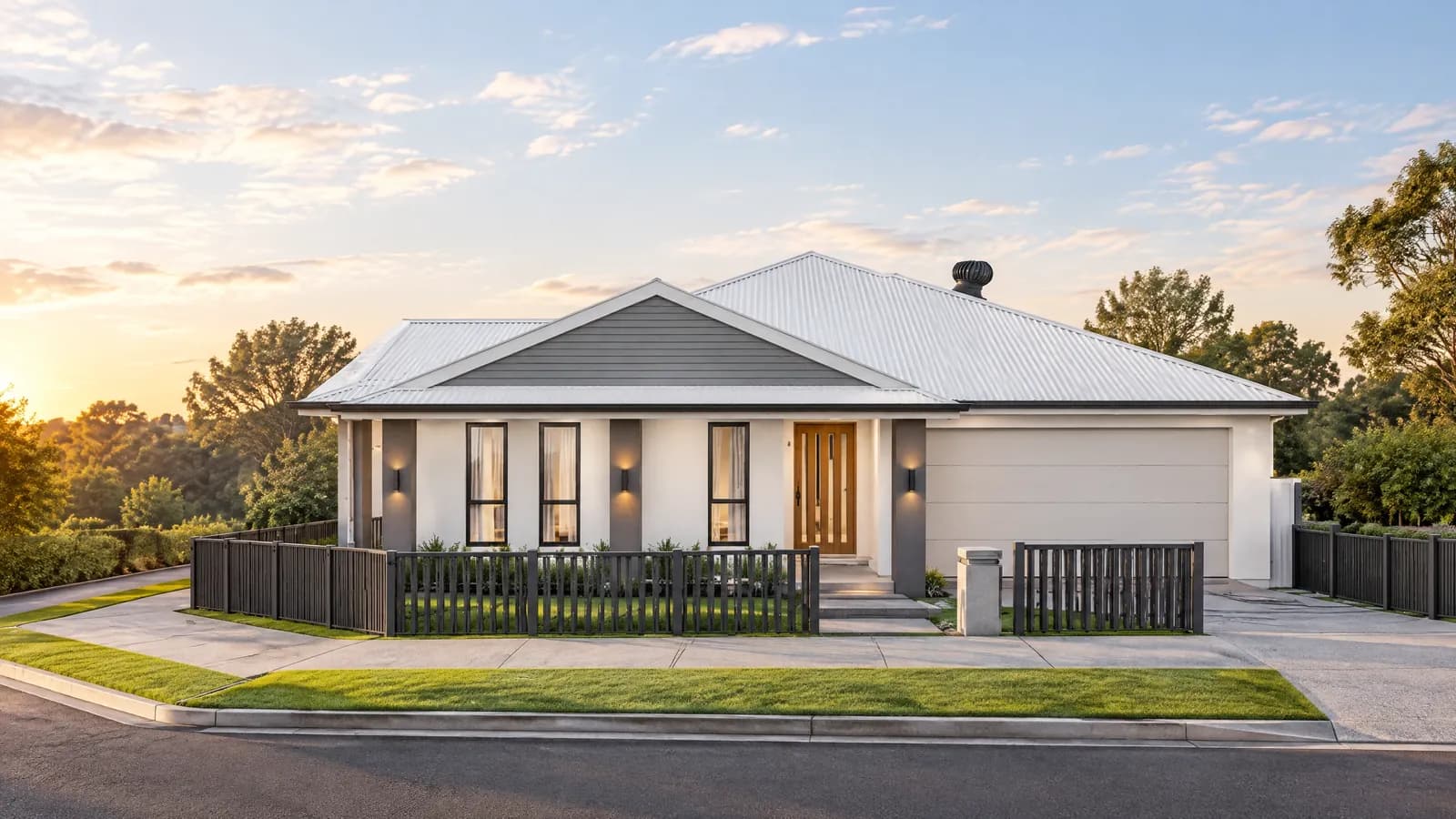
When I speak with property buyers, the conversation often comes back to one question: “If I buy this property, how much will I need to contribute each month to hold it?”
In the conversations I am having with buyers, uncertainty about the economic outlook and property market is making that question harder to answer. Buyers want to know whether they can afford to hold the investment as well as purchase it.
When repayments, household expenses and rental income feel finely balanced, relying entirely on future capital growth can be uncomfortable. A property needs an income plan that works while you own it.
This is where I believe a well-planned dual-income home deserves attention. Two rents can support the same investment, or a granny flat can provide income alongside your family home. The additional rent can cover a greater share of holding costs and give an owner more breathing room through softer market conditions.
It does not remove investment risk. But for someone planning to hold for years, the ability to manage the property through uncertainty matters as much as the opportunity to buy it.
One block. Two incomes. More ways to live.
01
Choose the option that suits your budget
When buyers ask me about dual occupancy, they usually want to know how they can get more use or income from one block. There are three practical options worth exploring. A duplex and a house with a secondary dwelling have different planning and ownership arrangements, so the right choice starts with the block and your objectives.
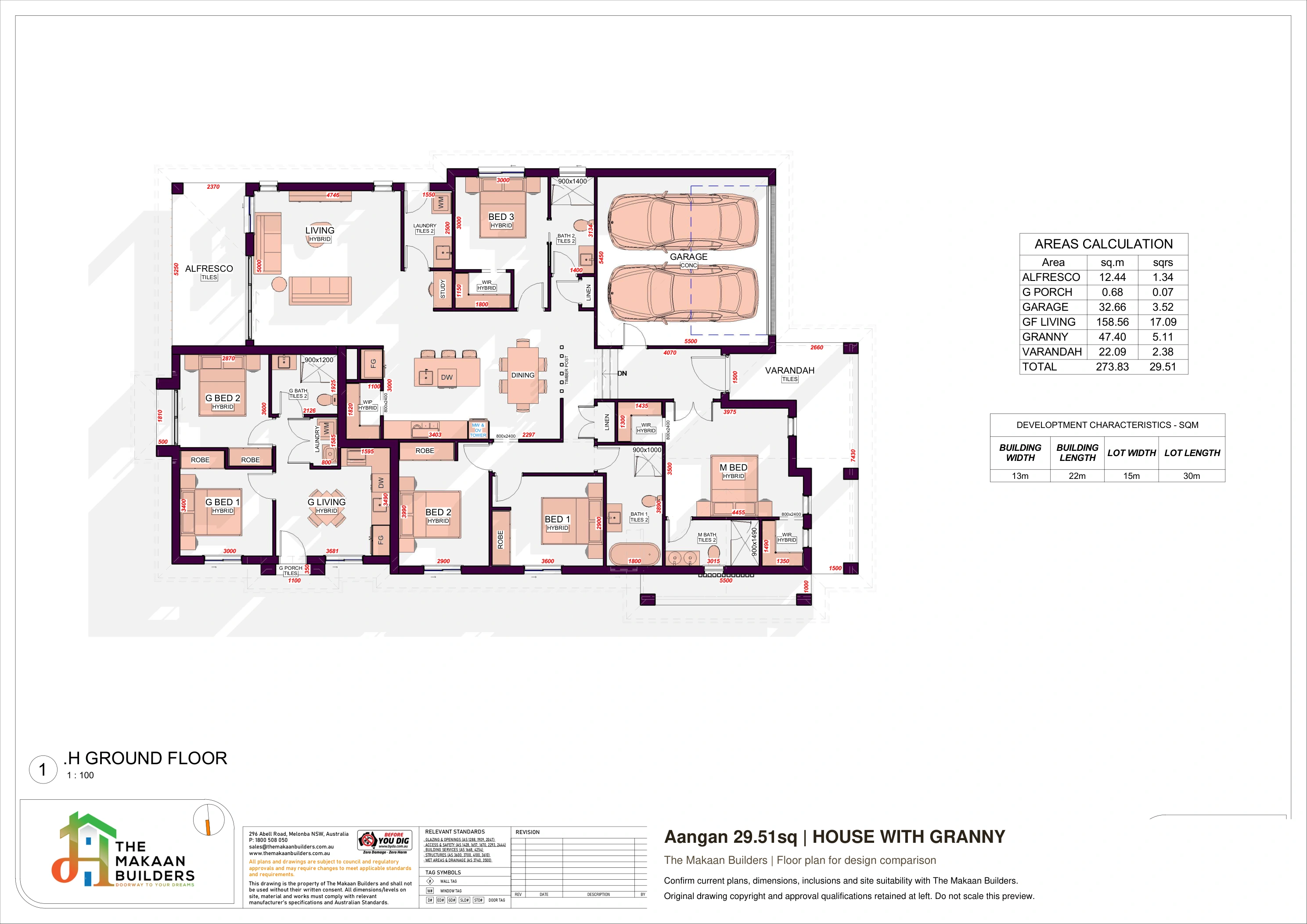
House with a one-bedroom granny flat
A compact option for a tenant, a parent or an adult child. It can suit buyers who want additional accommodation while managing their construction budget.
House with a two-bedroom granny flat
More space and flexibility for different households. For investors, the question is whether the additional rent justifies the additional construction cost in that location.
Duplex
Two homes developed together, with the possibility of renting both or living in one and renting the other. Selling them individually requires the appropriate subdivision approvals and separate titles; it is not an automatic option.
There is no single plan that suits everyone. Your budget, intended use and site determine what makes sense.
02
Two rental incomes can strengthen your holding position
With a conventional investment house, one tenant supports the property's income. A house and granny flat can provide two separate rental streams from the same land holding.
Take our Menangle Park illustration: a main home renting for approximately $830 a week and a 2-bedroom granny flat at approximately $550 would generate a combined $1,380 a week. At full occupancy, that is $71,760 in annual gross rent.
This is why buyers sometimes describe these properties as a “cash cow”. The second dwelling can add meaningful income without buying a second block of land.
But the number that matters to an investor is what remains after expenses and repayments. Two incomes can improve the position; positive cash flow still depends on the complete project cost, borrowing and actual rental performance.
Menangle Park illustration
- Main home
- $830 / week
- Two-bedroom granny flat
- $550 / week
- Combined gross rent
- $1,380 / week
- Annual gross rent at full occupancy
- $71,760
Illustrative rent assumptions before vacancy, expenses, finance and tax. A property-specific rental appraisal is required.
03
Make the land work harder
When you buy a conventional investment house, much of your purchase price goes towards the land. A suitable house-and-granny-flat design allows that same land holding to support a second home and another income stream.
You still have the cost of constructing and maintaining two dwellings. The advantage is the opportunity to spread the land purchase across more income-producing accommodation.
For someone who already owns a suitable property, a second dwelling may also provide a way to put existing space to use without purchasing another block. For a buyer starting from scratch, the opportunity is to choose the land and design together.
I encourage clients to consider the extra investment required for the granny flat alongside the extra rent it might earn. That is often a more useful conversation than looking at the total building price in isolation.
04
Compare the investment across South West Sydney
For this comparison, we have used an approximate build cost of $537,500 for a custom-designed 25-square house and granny flat with premium inclusions.
The configuration comprises a 19-square double-storey main home with 4 bedrooms and a 6-square granny flat with 2 bedrooms: six bedrooms and four bathrooms overall, with garage arrangements subject to the final design and quote.
The following examples show how the land budget and potential combined rent can change between locations.
Illustrative land, build and rental comparison — November 2026
Scroll across to compare all columns.
| Location | Indicative land price | Land + $537,500 build | Main home rent/week | Granny rent/week | Combined rent/week | Gross yield on land + build |
|---|---|---|---|---|---|---|
| Austral | $850,000 | $1,387,500 | $800–$850 | $530–$550 | $1,330–$1,400 | 4.98%–5.25% |
| Leppington | $840,000 | $1,377,500 | $810–$850 | $550 | $1,360–$1,400 | 5.13%–5.28% |
| Menangle Park | $699,000 | $1,236,500 | $830 | $550 | $1,380 | 5.80% |
| Spring Farm | $745,000 | $1,282,500 | $800 | $530–$550 | $1,330–$1,350 | 5.39%–5.47% |
| Gilead | $659,000 | $1,196,500 | $800 | $500 | $1,300 | 5.65% |
| Tahmoor | $520,000 | $1,057,500 | $730–$750 | $450–$480 | $1,180–$1,230 | 5.80%–6.05% |
Illustrative working estimates, November 2026. Land prices reflect selected advertised examples, including the lower end of guides, rather than suburb medians or guaranteed available lots. Rental figures are indicative asking-rent assumptions and working estimates, not achieved rents, calculated suburb averages or formal rental appraisals. Site suitability must be checked.
Gross yield is combined weekly rent × 52 ÷ the land-and-build subtotal. These subtotals exclude additional site costs, landscaping, fencing, council contributions, stamp duty, other acquisition costs and finance costs. Including these costs reduces the yield on total investment. Vacancy and operating expenses also reduce income; gross yield is not a net return.
The useful point is the range of choices. A buyer with a lower land budget may find Tahmoor worth exploring. Another buyer may prioritise a location closer to their work, family or existing investments. The best fit depends on more than the highest percentage in a table.
05
A negotiated land price can improve your starting position
In my own dealings, I have had clients negotiate land discounts of $30,000 to $50,000 in Austral and Spring Farm.
That does not mean every developer will accept the same reduction. It does mean the asking price can be a starting point for a conversation on selected blocks.
Using our Spring Farm example, negotiating $50,000 off the land reduces the land-and-build subtotal from $1,282,500 to $1,232,500. At the same rental assumptions, the gross yield on that subtotal increases from approximately 5.39%–5.47% to 5.61%–5.70%, before additional costs.
The floor plan deserves attention. So does the price you pay for the land.
06
Allow for the costs that complete the investment
A good investment starts with a budget you can comfortably manage. Alongside the land and construction price, allow for site conditions, landscaping, fencing, approvals and acquisition costs.
These items do not take away from the appeal of two incomes. They help you understand how much you are committing and how the rent compares with your actual investment.
Council contributions also deserve an allowance. For our illustrative budgeting examples, we are using:
Indicative secondary-dwelling contribution allowances
| Location | Approximate secondary-dwelling contribution allowance |
|---|---|
| Austral | $25,000 |
| Leppington | $35,000 |
| Spring Farm | $22,000 |
| Menangle Park | $16,000 |
| Tahmoor | $7,000 |
These are working allowances, not council quotations or a complete schedule of charges. Actual contributions depend on the property, applicable plan, approval timing and previous contributions. Confirm the amount with council before committing; Gilead requires a separate property-specific allowance. These amounts have not been included in the land-and-build yield table above.
07
More than an investor’s property
Dual occupancy is often viewed as an investor’s strategy, but its benefits extend well beyond collecting two rents. For owner occupiers, a house and granny flat can provide a family home alongside rental income that helps with the mortgage.
For parents looking to downsize, the smaller dwelling can offer a manageable home while adult children and their families occupy the main house. Everyone stays close, with separate living spaces that preserve privacy and independence. As family circumstances change, the way the property is used can change too.
08
Two tenancies can provide breathing room
If the only tenant in a conventional investment home leaves, the rent stops until someone else moves in.
With two separately leased, approved dwellings, income from one can continue while the other is being re-let. It is a useful buffer, although both homes can still become vacant and both need maintenance.
For investors focused on holding property over the long term, that additional income stream can make the commitment easier to manage.
09
Choose a home that tenants will want to stay in
Two rental streams start with two homes that work for the people living in them. I would rather see a practical, comfortable design than a second dwelling squeezed onto a block simply to advertise more rent.
Think about how both households arrive home, where they park and whether they can enjoy privacy. Consider natural light, storage, outdoor space and how sound travels between the dwellings.
A two-bedroom granny flat can appeal to a different household from the main home. A one-bedroom option may suit a single occupant or couple. The right choice depends on local rental demand, your budget and what the site can accommodate.
Designing around these needs can support rental appeal and give owner occupiers a better experience too. A tenant's decision involves much more than bedroom count.
10
Why building can be the more practical route
In my experience, ready-built dual-income properties are a relatively limited part of the Sydney opportunities buyers encounter. Some are secured through agent networks before they reach the major property portals. Buyers looking for the right combination of location, layout, price and rental income can find their choices narrow quickly.
That is my observation from working with buyers, rather than a measured Sydney-wide listing ratio. It is one reason I encourage clients to explore building, instead of relying solely on finding a completed property.
Building allows you to choose a suitable block and create the accommodation around your intended tenants or family needs. You can consider access, privacy and the balance between the main home and granny flat from the beginning.
Planning both homes together can also coordinate services and trades more efficiently than returning later to construct the second dwelling. Any saving depends on the site, design and quotations being compared.
For me, the benefit is the opportunity to create a property with a clear purpose: two homes people want to live in, designed around the owner's longer-term plans.
11
Think about your future buyer
That flexibility matters when you eventually sell. Your buyer could be an investor seeking two rental incomes, a family accommodating ageing parents, or an owner occupier wanting supplementary income.
Online search research provides evidence that buyers are actively exploring these features:
Buyer search research
Scroll across to compare all columns.
| Research | Key finding | Relevance to future resale |
|---|---|---|
| REA Group — 15 May 2026 | National searches for “granny flat” rose 35% and “dual living” rose 22%, comparing the preceding 12 months with the previous 12-month period. | Growing interest in homes offering separate accommodation and potential rental income. |
| Domain Spring Report — 18 September 2025 | “Granny flat” ranked first among Sydney buyer keyword searches in its spring analysis. | Separate accommodation featured prominently in Sydney buyers’ preferences. |
Sources: REA Group research and Domain Spring Report. These findings measure search interest, rather than completed purchases or resale premiums.
For me, the takeaway is that a well-designed dual-income property can serve different buyers at different stages of life. You are creating more than an income stream—you are creating accommodation that can adapt to changing needs. When it comes time to sell, that gives you several practical benefits to present to prospective buyers, with the result still depending on location, pricing, approvals and the quality of the homes.
12
How tax changes strengthen the case for eligible new builds
Tax policy adds another consideration when comparing new construction with an established investment. The ATO confirms that reforms have been legislated to apply from 1 July 2027.
Under those reforms, negative gearing will generally be restricted to eligible new residential builds and specified housing categories. Properties held before 7:30 pm AEST on 12 May 2026 are protected from the negative gearing changes. For affected established properties acquired after that cut-off, losses will generally be restricted to residential property income and gains, with unused amounts carried forward, rather than offset against wages once the reforms apply.
Treasury also states that eligible new-build investors can choose the 50% CGT discount, subject to the usual eligibility requirements, or the new inflation-based arrangements and minimum tax. The broader changes apply to gains accruing from July 2027 when realised.
That gives investors a reason to compare eligible new builds more carefully when planning purchases and long-term ownership. It does not establish that every new build saves more tax, or that every house-and-granny-flat project automatically qualifies.
New rental construction can also provide eligible capital works and depreciation deductions. Your accountant should assess the design, ownership, acquisition timing and rental use before you rely on a tax outcome.
Importantly, negative gearing describes a tax loss, not a guarantee of positive cash flow. Two rental streams may reduce the amount you need to contribute from your own pocket; eligible deductions may improve the after-tax position. These work differently and should be assessed together.
My view is that rental income should support the holding strategy, with any tax benefit strengthening a sound investment rather than being the only reason to buy.
Tax position reviewed 11 November 2026 against ATO and Treasury guidance. Project eligibility, transitional rules and further implementation details require individual advice.
Read the ATO guidance and Treasury’s tax reform overview.
13
Choose an investment you can hold for the long term
The investment case brings together the land price, the full delivery cost, realistic rents and your borrowing. Test what happens if a dwelling is vacant, expenses increase or repayments change.
For an investor, stronger rent can reduce the weekly contribution needed to hold the property. For an owner occupier, the second dwelling can support repayments while retaining accommodation for family later.
A lower entry cost may matter most to one buyer; location or family flexibility may matter more to another. The opportunity is to choose a dual-income strategy you can sustain, rather than simply chase the highest advertised yield.
14
Start with what the site can support
A block should be assessed for the intended design and use before you buy it. Lot dimensions, access, drainage, slope and local planning controls can all affect the outcome.
There may be opportunities to build a house and granny flat on smaller blocks in some areas, subject to the applicable controls and approvals. These should be explored case by case, with the intended separate rental use properly approved.
The right block is one that suits the project and the budget together.
15
One property, more options for the years ahead
For me, the strongest case for a dual-income home is the combination of income and flexibility.
An investor can collect two rental streams. An owner occupier can have a tenant help with holding costs. A family can keep loved ones close while giving everyone their own space.
At The Makaan Builders, our in-house architect and unlimited plan revisions allow us to develop a custom design around your land, budget and intended use.
If you are considering a house and granny flat, start with what you want the property to achieve. We can then work through the land, design and construction proposal with you, so you have a clearer picture of the opportunity and the commitment involved.
One block. Two incomes. More possibilities.
Plan your next step
Explore what your block could become
Talk with our team about your land, your budget and how you want both homes to work.
Discuss your dual occupancy projectSources & further reading
Search research and tax guidance checked on 23 November 2026. The project comparisons are November 2026 working estimates; they are not valuations, rental appraisals or quotations.